Navy steel planes and a clear glass support reveal how a simple architectural structure fits together.

How we think

Understand the opportunity. Examine what would make it work.

Good growth decisions bring together commercial evidence, customer understanding and a willingness to question assumptions. These principles guide how we examine opportunities and help clients decide what to pursue.

Here we share the ideas, research and practical perspectives behind our work—and what they mean for the choices businesses face.

Role before return.

Be clear about what the opportunity should contribute: new customers, stronger margins, portfolio renewal, market access or useful learning. Judge it against that purpose, including what it would displace and the resources it would consume.
Evidence before commitment.

Ask what needs to be true, which explanations fit the available evidence and what would change the decision. Match the research or test to the consequence of getting it wrong and the ability to change course.

Fit before scale.

Examine whether customers can choose, buy and use the offer, and whether the organisation can deliver it. Pricing, channels, procurement, ownership and capacity belong in the commercial case from the beginning.

The ideas behind this work do not always point in the same direction.

Deep customer understanding must lead to a market large and accessible enough to matter. Investment discipline must leave room for an emerging business with different economics. Learning from results requires examining the reasoning and execution that produced them.

Foresight and design thinking help expand the possibilities.

We explore how changing conditions could create a different customer need or route to market, then shape alternatives and decide what can usefully be learned or acted on now.

Selected reading

Five selections on customer demand, decision quality, resource allocation and changing markets. Each offers a useful way into a commercial question.

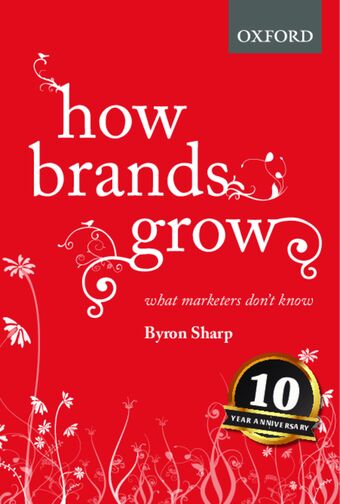
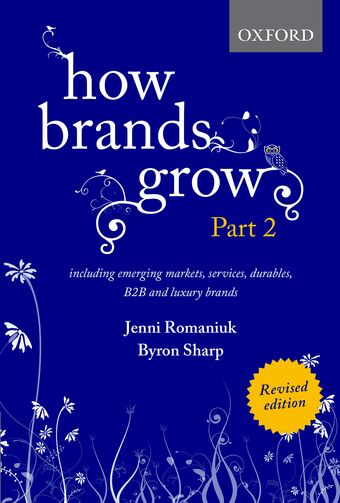
Cover of How Brands Grow by Byron SharpCover of How Brands Grow Part 2, Revised Edition by Jenni Romaniuk and Byron Sharp

How Brands Grow, Parts 1 and 2

Byron Sharp; Jenni Romaniuk and Byron Sharp | Books

Where will additional buyers come from, and can they find and buy the offer?

Why this reading

These books challenge assumptions about brand growth and the attention given to existing customers. Useful when a growth plan narrows its market before testing who else could buy.

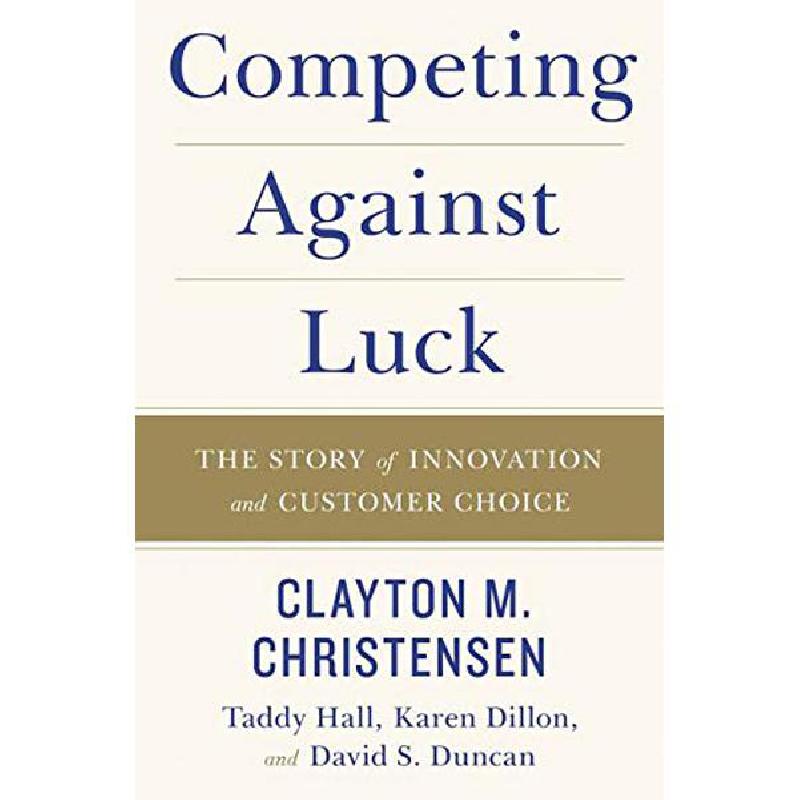
Competing Against Luck, the related book on Jobs to Be Done by Clayton Christensen and co-authors
Related book: Competing Against Luck

Jobs to Be Done

Christensen Institute | Explanation and cases

What are people trying to achieve when they choose an offer, and what keeps them with an alternative?

Why this reading

A useful starting point for understanding adoption and improving the proposition. The scale of the opportunity and its economics still need to be established.

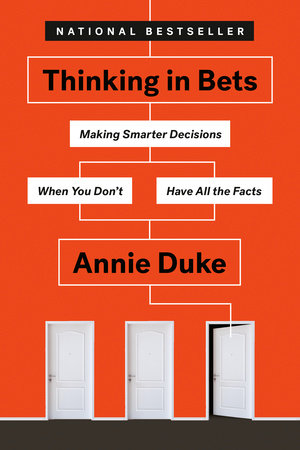
Cover of Thinking in Bets by Annie Duke

Thinking in Bets

Annie Duke | Book

How do you judge a decision when the outcome also depends on uncertainty and luck?

Why this reading

A useful discipline for examining what was known at the time, recording assumptions and learning from results. Relevant to investment choices and leadership reviews where hindsight can conceal the quality of the original reasoning.

Sightline illustration of resources moving towards strategic priorities
Resource allocation · Sightline illustration

How to put your money where your strategy is

McKinsey Quarterly | Article

Do money and people follow the stated priorities?

Why this reading

Research on resource-allocation inertia raises a practical question for leaders: what will move to make the strategy possible? For a smaller business, the binding commitment may be a few specialists’ time rather than a large capital budget.

Cover of Strategic Foresight: An Introductory Guide to Practice by Jan Oliver Schwarz

Strategic Foresight: An Introductory Guide to Practice

Jan Oliver Schwarz | Book

Which changes could alter what customers need or how the business reaches them?

Why this reading

A practical foundation for examining possible developments and their implications for decisions today. Useful when an investment depends on conditions that may no longer hold by the time it pays back.

Further foundations

Design thinking

Design thinking helps teams investigate a problem and develop alternatives. The Design Council’s Framework for Innovation and Designing for Growth by Jeanne Liedtka and Tim Ogilvie are useful starting points.

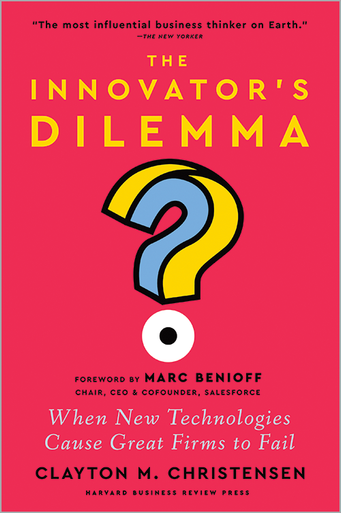
Cover of The Innovator’s Dilemma by Clayton Christensen
Investment and innovation

Ralph L. Keeney’s Applying Value-Focused Thinking starts with what a decision should achieve. Clayton Christensen’s The Innovator’s Dilemma examines how the priorities of an established business can shape which emerging opportunities receive support. These inform different parts of the work and are applied with attention to the particular business.

How organisations learn and leaders exercise judgement

Commercial evidence has to be examined by people who carry different responsibilities and may see different parts of the problem. We draw on organisational-learning research to consider whether the team can question the assumptions behind a plan as well as improve its execution.

Research behind the approach

Chris Argyris: Double-Loop Learning in Organizations, A Theory of Action Perspective

Chris Argyris’s work helps distinguish those two kinds of inquiry.

Read source
Amy Edmondson: Psychological Safety and Learning Behavior in Work Teams

Amy Edmondson’s research draws attention to the conditions under which teams discuss errors and concerns.

Read source
Edgar H. Schein and Peter A. Schein: Humble Inquiry

Edgar and Peter Schein’s Humble Inquiry offers a useful perspective on asking questions that make room for another person’s knowledge.

Read source

These ideas support how we conduct the work; they do not replace commercial analysis or the leader’s responsibility to decide. We examine what the evidence supports, what remains open to challenge and how the reasoning can become useful in the team’s normal work.

Insights

Practical thinking for leaders deciding where the next growth will come from, and what it will take to earn it.

You do not need a finished brief. We start with your situation, what you want to achieve and whether Sightline is the right help.

Back to top